
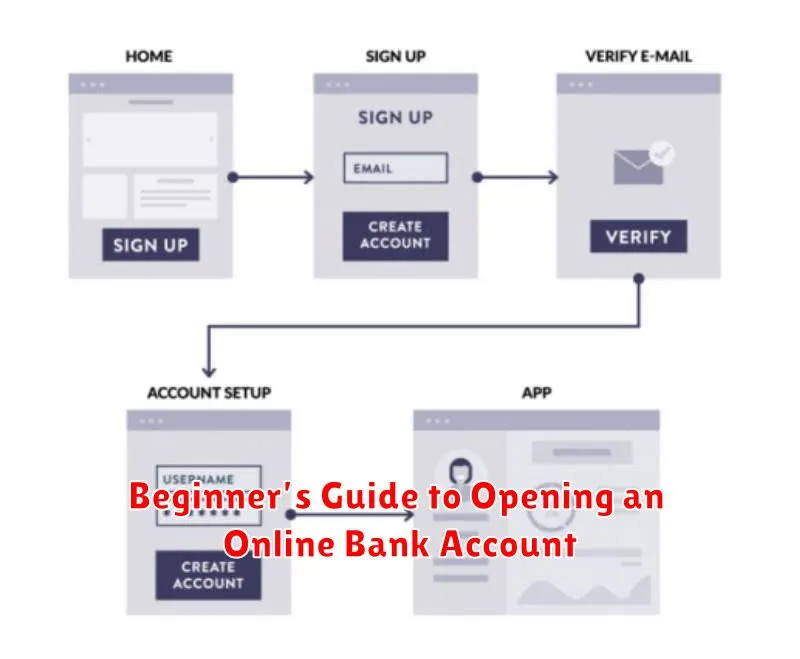
Opening an online bank account offers a convenient and modern approach to managing your finances. This beginner’s guide will walk you through the process of opening an online bank account, highlighting the benefits, requirements, and steps involved. Whether you seek higher interest rates, lower fees, or 24/7 access to your funds, understanding the essentials of online banking is crucial. Learn how to navigate the digital landscape and make informed decisions when choosing the best online bank account for your needs.
This comprehensive guide addresses common questions about online bank accounts, including how to choose the right bank, understand account types, and complete the application process. We’ll cover important aspects like security, mobile banking, and customer service. By following the clear instructions outlined in this beginner’s guide, you’ll be well-equipped to confidently open your online bank account and embark on a more efficient banking experience.
Why Open a Bank Account Online?
Opening a bank account online offers several advantages over traditional brick-and-mortar banking. Online banks often provide higher interest rates on savings accounts and lower fees.
Convenience is another key factor. You can manage your finances 24/7 from anywhere with internet access. The account opening process itself is typically faster and simpler, often completed entirely online.
Additionally, some online banks offer innovative features like automated savings tools and personalized budgeting apps, empowering you to better manage your money.
What Documents Do You Need?
Opening an online bank account is generally straightforward and requires similar documentation to a traditional bank. You’ll need to provide information to verify your identity and address.
Key Documents:
- Government-Issued Photo ID: A driver’s license or passport is typically required.
- Social Security Number (SSN) or Individual Taxpayer Identification Number (ITIN): For US accounts, this is essential for tax purposes.
- Proof of Address: A recent utility bill, bank statement, or lease agreement can suffice.
Some banks may require additional documentation depending on your specific circumstances. Be prepared to provide these if requested.
Step-by-Step Process Overview
Opening an online bank account is typically a straightforward process. While specific requirements may vary between institutions, the general steps remain consistent. You’ll begin by selecting a bank and the account type that best suits your needs.
Next, you’ll complete the application process. This involves providing personal information, such as your name, address, and Social Security number. You’ll also need to verify your identity.
Once your application is approved, you’ll make your initial deposit. This can often be done via electronic transfer or by mailing a check. After your deposit is processed, your account will be active and ready to use.
Common Verification Methods
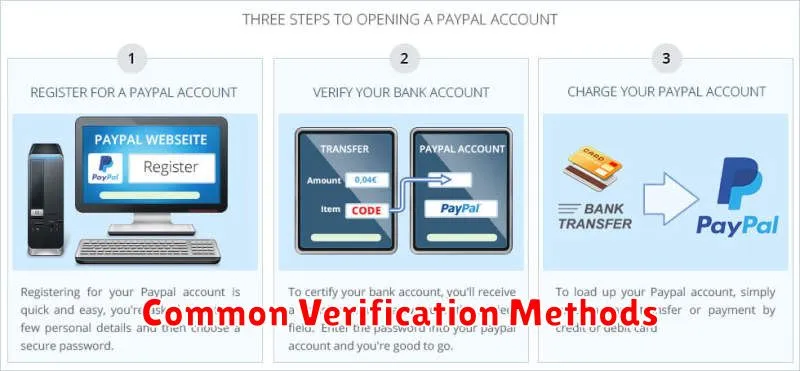
Opening an online bank account requires verifying your identity. Financial institutions use several common methods to ensure security and comply with regulations. These methods help protect you from fraud and confirm your legitimacy as an account holder.
Providing Personal Information: This usually includes your full name, date of birth, Social Security number, and current address.
Identity Verification through Documents: Banks may ask for a copy of your driver’s license, passport, or other government-issued identification.
Address Verification: A utility bill or bank statement with your current address can serve as proof of residency.
Knowledge-Based Authentication: You might be asked security questions about your past addresses, credit history, or other personal details to confirm your identity.
How Long Does It Take?
Opening an online bank account is typically a quick process, often completed within minutes. However, the exact timeframe can vary depending on a few key factors.
Providing accurate and complete information during the application process is crucial. Any discrepancies or missing information can lead to delays. The bank may require additional verification steps, which can add time to the process.
While the account itself may be open quickly, accessing all features might take slightly longer. For instance, receiving your physical debit card could take a few business days. Additionally, setting up features like mobile check deposit may require a short waiting period.
Minimum Deposit Requirements
One of the first things to consider when choosing an online bank account is the minimum deposit requirement. Some banks may require a substantial initial deposit to open an account, while others have no minimum deposit requirement at all.
Be sure to carefully review the terms and conditions of any account you’re considering to understand the minimum deposit requirements. This information is usually readily available on the bank’s website or within the account opening documentation.
Choosing an account with a low or no minimum deposit requirement can be particularly beneficial for new account holders or those working with a limited budget.
Things to Watch Out For
While online banks offer numerous advantages, it’s crucial to be aware of potential drawbacks. Security is paramount. Ensure the bank utilizes robust encryption and two-factor authentication. Research the bank’s reputation and security track record.
Fees can vary significantly between online banks. Pay close attention to monthly maintenance fees, overdraft charges, and any other potential costs. Some banks may offer limited or no access to physical branches. Consider whether this aligns with your banking needs.
Customer service accessibility is another important factor. Investigate the available support channels (phone, email, chat) and their operating hours. Finally, examine the bank’s FDIC insurance coverage to ensure your deposits are protected.
Legal and Regulatory Factors
Opening an online bank account involves navigating certain legal and regulatory landscapes. Consumer protection laws safeguard your funds and personal information. Banks must adhere to strict Know Your Customer (KYC) and Anti-Money Laundering (AML) regulations. These require identity verification and monitoring of transactions to prevent illicit activities.
Data privacy is another crucial aspect. Regulations dictate how banks collect, store, and use your personal data. Understanding these regulations ensures your financial information is handled responsibly and securely.
Deposit insurance provided by government agencies, such as the FDIC in the US, protects your deposits up to a specified amount in case of bank failure. Confirming your chosen online bank participates in a relevant deposit insurance scheme is essential.
Maintaining Account Security
Protecting your online bank account is crucial. Always choose a strong password that is unique and complex. Avoid using easily guessable information like birthdays or pet names.
Regularly monitor your account activity for any unauthorized transactions. Enable two-factor authentication for an added layer of security. This requires a second verification method, like a code sent to your phone, in addition to your password.
Be wary of phishing scams. Never click on links in suspicious emails or text messages that ask for your login credentials. Always access your online banking platform directly through the official website or app.
FAQ on Online Account Setup
What information do I need to open an online bank account? Typically, you’ll need your Social Security number, a government-issued photo ID (like a driver’s license or passport), and your current address.
How long does it take to open an account online? The process is usually quick, often taking just a few minutes to complete the application. However, full account activation might take a few business days.
Is it safe to open a bank account online? Yes, reputable online banks utilize strong security measures to protect your information. Look for banks with FDIC insurance for added peace of mind.
What if I have questions during the setup process? Most online banks offer customer support via phone, email, or secure online chat.
