
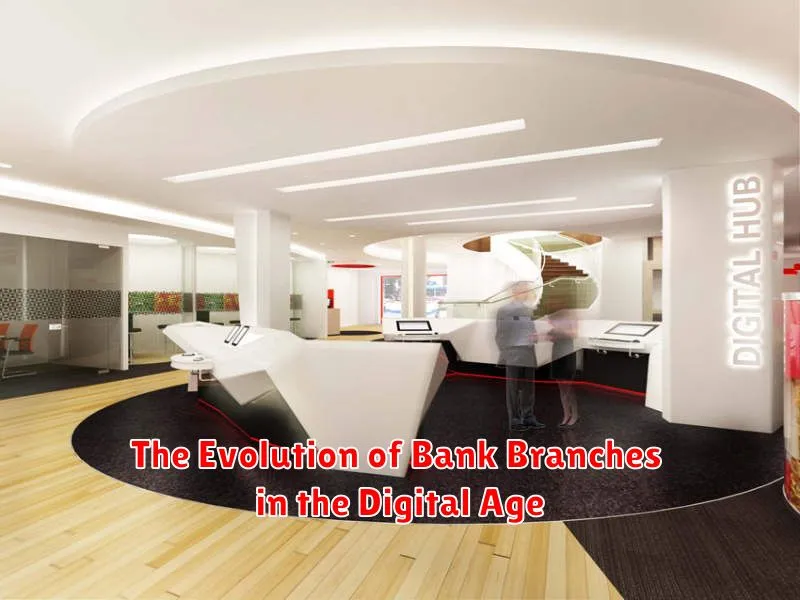
The banking industry has undergone a dramatic transformation in the digital age. The traditional role of bank branches has been significantly challenged by the rise of online banking, mobile banking, and fintech innovations. Customers are increasingly embracing digital channels for their everyday banking needs, from checking account balances and transferring funds to applying for loans and managing investments. This shift in customer behavior has forced banks to re-evaluate the future of bank branches and adapt to the evolving landscape. Understanding the evolution of bank branches is crucial for both financial institutions and customers alike.
This article will explore the evolution of bank branches in the digital age, examining the key factors driving this change and the strategic responses employed by banks. We will delve into the challenges faced by traditional brick-and-mortar branches and highlight the emerging trends shaping the future of banking. From the rise of digital-first banks and the adoption of omnichannel strategies to the integration of new technologies like artificial intelligence and blockchain, this article will provide a comprehensive overview of the evolving role of bank branches in today’s rapidly changing financial ecosystem.
Why Bank Branches Still Exist
Despite the rapid growth of digital banking, physical bank branches continue to play a vital role for several key reasons. Many customers still prefer in-person interactions for complex transactions such as loan applications, investment advice, and wealth management.
Branches provide a tangible presence and foster a sense of trust and security, particularly for older generations and those less comfortable with online banking. They also serve as essential access points for vital services like safe deposit boxes, notary services, and cash handling for businesses.
Furthermore, branches are community anchors and contribute to local economic development, offering employment opportunities and supporting local businesses. They also play a crucial role in financial literacy and inclusion, providing educational resources and personalized assistance to those who may not have easy access to digital tools.
Rise of the Hybrid Banking Model
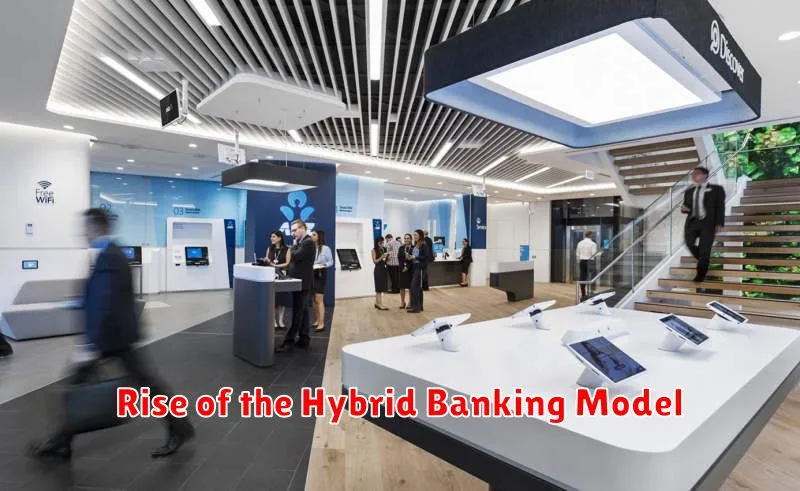
The digital revolution has profoundly impacted customer behavior, forcing banks to adapt and evolve. This shift has given rise to the hybrid banking model, which seeks to seamlessly blend the convenience of digital banking with the personalized service of traditional branches.
Customers now expect 24/7 access to banking services through online and mobile platforms. However, the need for in-person interaction for complex financial matters like wealth management or loan applications remains. The hybrid model addresses this duality by offering a multi-channel approach.
Branches are being redesigned to become advisory centers focused on providing personalized guidance and support. Routine transactions are handled digitally, freeing up branch staff to engage in more value-added activities.
In-Branch Services vs Digital Offerings
The emergence of digital banking has dramatically altered the financial landscape, creating a dichotomy between traditional in-branch services and modern digital offerings. In-branch services emphasize personalized interaction, complex transactions, and financial advice. These include opening accounts, securing loans, and obtaining investment guidance. Customers value the face-to-face experience and trust built through personal relationships.
Digital offerings, conversely, prioritize convenience and accessibility. Services like mobile check deposits, online bill pay, and account monitoring are available 24/7. This allows for greater flexibility and self-service, catering to a tech-savvy customer base.
Personalized Consultations and Advice
While digital tools offer convenience, many customers still value personalized financial guidance. Modern branches are evolving to cater to this need by providing spaces conducive to in-depth consultations.
These consultations go beyond simple transactions, focusing on complex financial planning like retirement planning, investment management, and wealth building strategies. Branch staff are becoming increasingly specialized, acting as financial advisors capable of addressing nuanced customer needs.
This shift emphasizes the branch’s role as a hub for relationship building, fostering trust and loyalty between the bank and its customers.
Branch Automation Technologies
Automation plays a crucial role in the modern bank branch. Several technologies contribute to this transformation, streamlining operations and enhancing customer experience.
Self-service kiosks empower customers to perform routine transactions, such as cash withdrawals and deposits, check printing, and balance inquiries, independently. This frees up staff to focus on more complex customer needs.
Interactive teller machines (ITMs) bridge the gap between ATMs and traditional tellers. They offer video conferencing capabilities, allowing customers to connect with remote tellers for personalized assistance and more complex transactions.
Robotic process automation (RPA) streamlines back-office tasks, including account opening, loan processing, and fraud detection. This increases efficiency and reduces operational costs.
Role of ATMs and Smart Kiosks
ATMs and smart kiosks represent a significant step in the evolution of banking, bridging the gap between traditional branches and digital banking. They offer 24/7 access to essential banking services, reducing the need for customers to visit physical branches during operating hours.
ATMs primarily handle cash withdrawals, deposits, and balance inquiries. Smart kiosks expand upon this functionality, enabling more complex transactions such as account opening, loan applications, and even video conferencing with bank representatives. This shift empowers customers to perform a wider range of banking activities independently and conveniently.
By offloading routine transactions to these self-service devices, banks can optimize staffing within branches, allowing employees to focus on providing personalized financial advice and handling more complex customer needs. This ultimately contributes to a more efficient and cost-effective banking experience for both customers and institutions.
Trends in Physical Bank Design
As banking increasingly shifts to digital platforms, physical branches are evolving to offer more specialized, personalized services. Smaller footprints and flexible layouts are becoming the norm.
Technology integration plays a crucial role. Interactive kiosks, video conferencing for remote advisor meetings, and digital signage enhance customer experience and streamline processes. The focus is on advisory services and complex transactions rather than routine teller operations.
Branches are transforming into welcoming spaces that encourage community engagement. Think comfortable seating areas, co-working spaces, and even cafes, creating a more inviting and less transactional atmosphere.
Branch Use by Older Populations
While digital banking adoption has surged, physical branches retain significant importance, particularly for older demographics. Seniors often exhibit stronger preferences for in-person banking due to factors such as comfort with established processes, concerns about online security, and the desire for personal interaction.
This reliance on traditional banking methods presents a unique challenge for financial institutions. Balancing the need for digital innovation with the continued demand for branch services among this sizable demographic requires careful consideration. Branches may need to adapt to better serve the specific needs of older customers, potentially through specialized staff training, accessible design features, and services tailored to their financial priorities.
Impact of COVID-19 on Branches
The COVID-19 pandemic dramatically accelerated the shift towards digital banking. Branch traffic plummeted as lockdowns and social distancing measures were enforced. This forced banks to rapidly adapt and enhance their digital offerings to accommodate customer needs.
Branch closures became more common as banks reevaluated their physical footprint. While some branches temporarily closed, others were permanently shuttered as customers grew accustomed to online and mobile banking solutions. This period underscored the vulnerability of traditional branch models.
The pandemic also highlighted the importance of technology within branches that remained open. Enhanced sanitation measures, appointment-based systems, and contactless transactions became commonplace, signaling a shift towards a more digitally integrated and safety-conscious branch experience.
What the Future Holds
The future of bank branches is undeniably tied to digital transformation. While physical locations may not disappear entirely, their role will continue to evolve. We can expect to see smaller, more experiential branches focused on providing personalized advice and complex financial services.
Technology will play an even larger role, with increased use of video conferencing, self-service kiosks, and interactive displays. Branches will likely become hubs for community engagement, offering financial literacy workshops and other value-added services.
The key to success lies in finding the right balance between digital convenience and human interaction, catering to the evolving needs and preferences of customers.
