
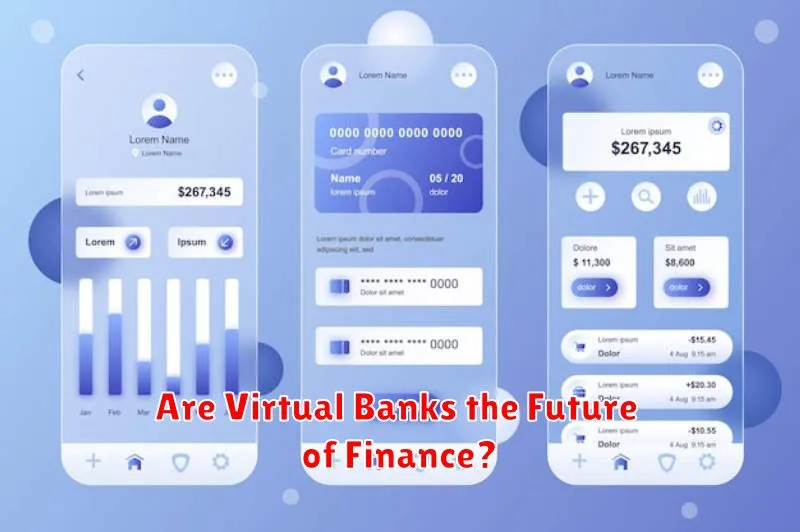
The financial landscape is undergoing a dramatic transformation, with virtual banks emerging as a significant disruptive force. These digital-only institutions, also known as online banks or neobanks, are challenging traditional banking models by offering innovative services, lower fees, and increased accessibility. But are virtual banks truly the future of finance? This article explores the rise of virtual banks, their potential to reshape the financial industry, and the key factors that will determine their long-term success. We’ll examine the benefits and drawbacks of virtual banking for consumers and businesses, considering the implications for financial inclusion, security, and the overall future of finance.
From streamlined account opening processes and personalized financial management tools to 24/7 customer support and competitive interest rates, virtual banks offer a range of compelling advantages. However, concerns around data security, regulatory oversight, and the lack of physical branches remain. By analyzing the current trends and future projections for virtual banking, this article aims to provide a comprehensive overview of whether these digital-first financial institutions represent a paradigm shift in the future of finance, or simply a fleeting trend.
What Are Virtual Banks?
Virtual banks, sometimes called digital banks or neobanks, are financial institutions that operate exclusively online. They have no physical branches, offering all services through websites and mobile apps.
These banks provide a range of traditional banking services, including checking and savings accounts, money transfers, loans, and debit/credit cards. They often emphasize technological innovation, offering user-friendly interfaces, personalized financial management tools, and 24/7 customer support.
While they may partner with traditional banks for certain services, virtual banks operate under their own banking licenses and are subject to the same regulations as traditional banks, ensuring customer protection and security.
How Virtual Banks Operate
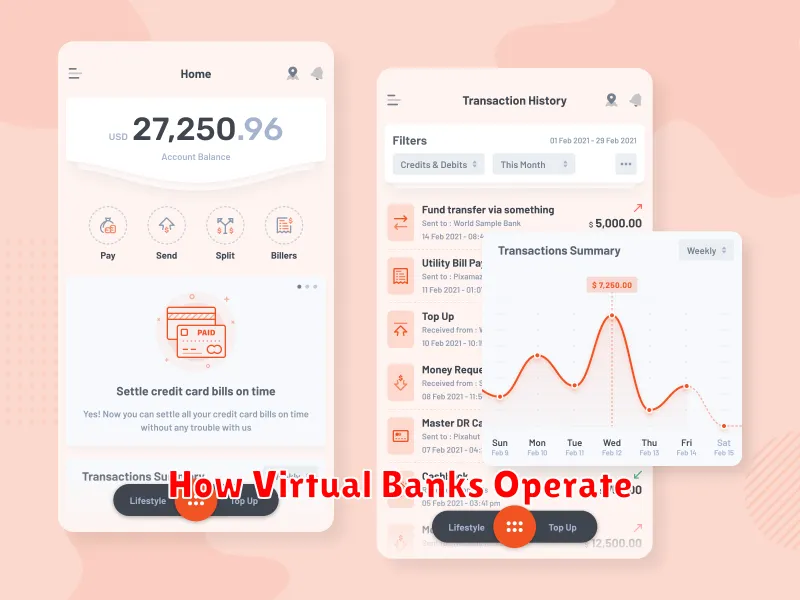
Virtual banks, also known as digital banks or neobanks, operate exclusively online, without physical branches. They leverage technology to offer a range of financial services, often at lower costs than traditional banks.
Account opening is typically done entirely through a mobile app or website. Customers can manage their finances, make payments, and access other services through digital platforms. Security measures, including encryption and multi-factor authentication, are implemented to protect customer data and transactions.
Virtual banks partner with established financial institutions or operate under their own banking licenses. They can offer services such as checking accounts, savings accounts, loans, and investment products, depending on their specific license and business model.
Benefits Over Traditional Banking
Virtual banks offer several compelling advantages over their traditional counterparts. Lower fees are a significant draw, as virtual banks often have lower overhead costs, which they pass on to customers. This can translate to reduced or eliminated monthly maintenance fees, ATM fees, and overdraft charges.
Higher interest rates on savings accounts are another attractive feature. Without the expense of maintaining physical branches, virtual banks can often offer more competitive interest rates, helping customers grow their savings faster.
Convenience is key in today’s fast-paced world. Virtual banks provide 24/7 access to banking services through user-friendly mobile apps and online platforms, eliminating the need to visit a physical branch.
Regulatory Compliance and Licensing
Virtual banks, despite their digital nature, are not exempt from regulatory oversight. In fact, they are subject to the same, if not more, stringent regulations as traditional banks. This is crucial for maintaining financial stability and protecting consumers.
Licensing requirements for virtual banks vary by jurisdiction. Some countries have created specific licenses for these entities, while others adapt existing frameworks. Securing a license often involves demonstrating robust security measures, adequate capital reserves, and a comprehensive business plan. Compliance encompasses areas like anti-money laundering (AML), know your customer (KYC), and data privacy regulations. Navigating these legal and regulatory hurdles can be complex and costly.
Risks to Consider
While virtual banks offer numerous advantages, it’s crucial to acknowledge potential risks. Security breaches are a significant concern. Robust cybersecurity measures are essential to protect customer data and financial assets.
Regulatory uncertainties also pose a challenge. The evolving regulatory landscape for virtual banks can create complexities and compliance hurdles. Furthermore, dependence on technology can be problematic. System failures, outages, or technical glitches can disrupt services and impact customer access.
Popular Virtual Bank Examples
Several virtual banks have gained prominence, demonstrating the growing appeal of this banking model. Here are a few noteworthy examples:
-
Chime: A US-based virtual bank offering fee-free checking and savings accounts, early direct deposit, and automatic savings features.
-
Varo Bank: Another US virtual bank providing checking and savings accounts, high-yield savings options, and personal loans.
-
Starling Bank (UK): A UK-based virtual bank offering personal, joint, and business accounts, along with international money transfers and spending insights.
These examples highlight the diversity and global reach of virtual banking, serving various customer needs and preferences.
Customer Experience and Innovation
Virtual banks are heavily focused on providing a seamless and user-friendly customer experience. Unburdened by physical branches, they leverage technology to offer 24/7 access to banking services through intuitive mobile apps and online platforms.
This digital-first approach allows for personalized services and faster transaction times. Furthermore, the absence of traditional infrastructure often translates into lower operating costs, potentially leading to more competitive interest rates and fees for customers.
Innovation is a core tenet of virtual banking. These institutions are often quicker to adopt new technologies, like artificial intelligence and blockchain, to improve security, offer innovative financial products, and further enhance the customer experience.
Trust and Reputation Building
For virtual banks, establishing trust is paramount. Lacking physical branches, they must build confidence through other means. Transparency is key, with clear communication about security measures, fee structures, and operational procedures. Strong customer service, easily accessible through various channels, plays a vital role in fostering positive relationships.
Security is another crucial aspect. Robust cybersecurity measures, fraud detection systems, and data protection protocols are essential for building customer trust. Publicly disclosing security audits and certifications can further enhance credibility.
Building a positive reputation takes time and consistent effort. Positive online reviews, media coverage, and partnerships with established brands can help bolster a virtual bank’s image and attract new customers.
Global Adoption Trends
The adoption of virtual banks is witnessing significant growth across various regions. Asia and Europe have emerged as frontrunners, driven by factors such as high mobile penetration and a receptive regulatory landscape. These regions have seen the successful launch and scaling of numerous virtual banks, catering to a growing segment of digitally native customers.
Other regions are gradually catching up. North America is showing steady progress, with a focus on niche offerings and partnerships with established financial institutions. In developing economies, virtual banks hold immense potential for financial inclusion, offering access to banking services to previously underserved populations. However, challenges related to infrastructure and regulatory frameworks still need to be addressed.
Long-Term Outlook for Virtual Banking
The long-term outlook for virtual banking appears largely positive. Increased accessibility, reduced overhead costs, and technological advancements are key drivers of this anticipated growth.
However, challenges remain. These include robust cybersecurity measures to protect customer data and maintain trust, as well as regulatory frameworks that can adapt to the evolving digital landscape. Successfully navigating these challenges will be critical for widespread adoption.
Competition with traditional banking institutions will also shape the future of the industry. Virtual banks will need to demonstrate their value proposition clearly to attract and retain customers.
