
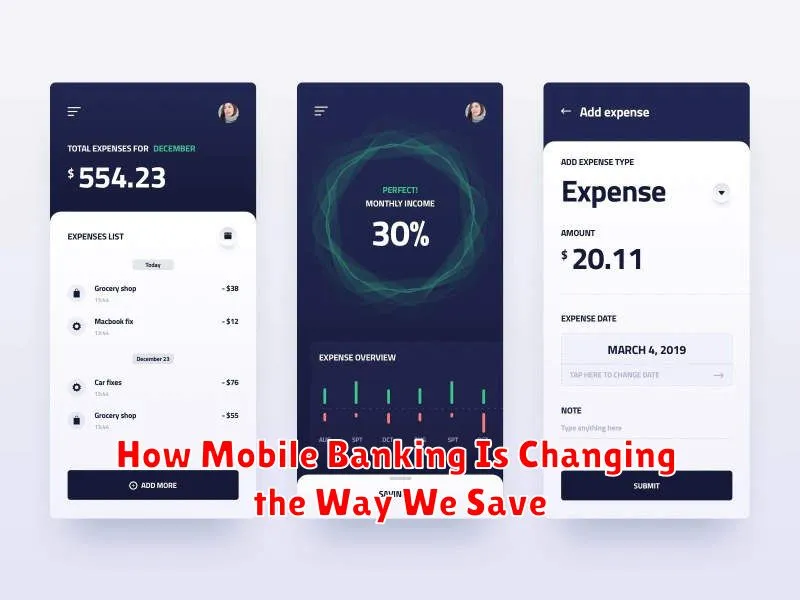
In today’s fast-paced world, managing finances efficiently is more crucial than ever. Mobile banking has emerged as a revolutionary tool, transforming the way we interact with our money and, significantly, how we save. This innovative technology empowers individuals to access their accounts, track spending, and make savings goals more attainable, all from the convenience of their smartphones. The impact of mobile banking on personal finance is profound, offering unprecedented control and flexibility in how we manage and grow our savings.
This article delves into the multifaceted ways mobile banking is reshaping savings habits. From automated savings tools and real-time budget tracking to personalized financial insights, we’ll explore the key features and benefits that make mobile banking a game-changer for achieving financial wellness. Discover how this technology is making saving money easier, more accessible, and ultimately, more effective in the modern financial landscape. Learn how to harness the power of mobile banking to reach your savings goals and secure your financial future.
The Rise of Mobile Banking
The proliferation of smartphones and widespread internet access has fueled the rapid growth of mobile banking. This technology has transformed financial services, offering unprecedented convenience and accessibility to users. Traditional banking limitations, such as physical branch access and restricted operating hours, are effectively bypassed by mobile banking applications.
Consumers now have the power to manage their finances anytime, anywhere. From checking account balances and transferring funds to paying bills and depositing checks, mobile banking empowers users with 24/7 control over their money. This increased accessibility has been particularly impactful for underserved populations with limited access to traditional banking infrastructure.
Mobile Savings Tools You Should Know
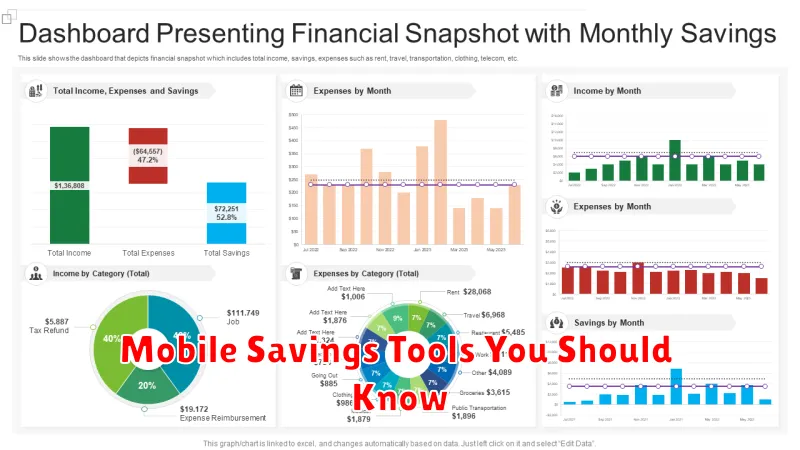
Mobile banking offers a variety of tools to help you save effectively. These tools often provide more convenience and flexibility than traditional methods. Let’s explore some key features:
Automated Savings
Many apps offer automated savings features. These tools allow you to schedule regular transfers to your savings account or automatically round up purchases and transfer the difference. This makes saving effortless and consistent.
Savings Goals
Setting savings goals within your mobile banking app can help you stay motivated. You can track your progress and adjust your contributions as needed. Visualizing your target helps maintain focus on your financial objectives.
Budgeting and Spending Trackers
Mobile banking apps often include budgeting and spending trackers. These features provide insights into your spending habits, allowing you to identify areas where you can cut back and redirect funds towards your savings goals.
Automatic Transfers and Micro-Saving
Mobile banking has significantly simplified saving through features like automatic transfers and micro-saving. Automated transfers allow users to schedule recurring transfers from their checking accounts to their savings accounts. This “set it and forget it” method promotes consistent saving habits.
Micro-saving apps, often integrated with mobile banking platforms, round up purchases to the nearest dollar and transfer the difference to a savings account. While seemingly small, these micro-savings accumulate over time, demonstrating the power of small, regular contributions.
Gamification in Finance Apps
Gamification is becoming increasingly prevalent in mobile banking, aiming to encourage positive financial behaviors. By integrating game-like elements such as points, badges, leaderboards, and challenges, these apps strive to make saving and budgeting more engaging. For example, users might earn points for consistently logging into the app or staying within their budget. These points can then be redeemed for rewards, creating a positive feedback loop.
This approach leverages the psychological principles of motivation and reward to nudge users towards their financial goals. The interactive nature of gamification can transform mundane tasks, like tracking expenses, into more enjoyable experiences. This can lead to increased user engagement and, ultimately, better financial outcomes.
Real-Time Notifications and Budget Control
Mobile banking has revolutionized budget management through real-time notifications. These alerts provide instant updates on account balances, transactions, and potential fraud, empowering users to stay informed about their finances.
Many apps offer customizable budgeting tools. Users can set spending limits for various categories (e.g., dining, entertainment) and receive alerts when approaching or exceeding those limits. This functionality promotes better spending habits and helps prevent overdrafts.
The immediacy of these features enables proactive financial management. Rather than waiting for monthly statements, users can monitor their cash flow daily, making adjustments as needed to stay on track with their financial goals.
Security of Mobile Savings Accounts
Security is a critical concern when it comes to mobile banking. Financial institutions employ several measures to protect your savings. These include multi-factor authentication, requiring more than just a username and password to access your account. Encryption protects data transmitted between your device and the bank’s servers. Furthermore, many banks utilize biometric security, like fingerprint or facial recognition, for an added layer of protection.
It’s crucial to remember that security is a shared responsibility. Choosing a strong password and being vigilant against phishing scams are essential steps you can take to safeguard your funds.
Integration with Financial Planning Tools
A key advantage of modern mobile banking is its seamless integration with financial planning tools. This connectivity empowers users to manage their finances holistically.
Many mobile banking apps now synchronize with budgeting apps, investment platforms, and other financial management software. This allows for real-time updates on spending, income, and investment performance, directly within the banking interface.
This integration provides users with a comprehensive view of their financial health, enabling them to make informed decisions about saving and investing. It simplifies the process of tracking progress toward financial goals, making financial planning more accessible and efficient.
User Behavior and Mobile Banking
Mobile banking has significantly impacted user behavior regarding personal finance management. The ease and accessibility of mobile banking apps have led to a shift in how people interact with their finances.
Users now perform transactions, check balances, and pay bills on-the-go, leading to increased frequency of interaction with financial data. This heightened awareness can contribute to more mindful spending habits.
Real-time notifications and budgeting tools within mobile banking apps also promote proactive financial management. Users can readily track expenses and adjust spending behaviors accordingly.
What the Future Holds for Mobile Saving
The future of mobile saving is poised for dynamic growth, driven by continuous technological advancements and evolving consumer behavior. We can expect to see even more personalized saving tools powered by artificial intelligence (AI). These tools will analyze spending habits and automate savings based on individual financial goals.
Integration with other financial platforms and services will become increasingly seamless. This will allow users to manage all aspects of their finances, from budgeting and investing to paying bills and tracking expenses, within a single mobile interface. Security will remain paramount, with enhanced biometric authentication and encryption methods safeguarding user data.
Furthermore, mobile saving will likely expand beyond individual use to encompass family and group saving goals, fostering collaborative financial planning. The rise of open banking will further empower consumers to access and compare various saving products and services from different providers, promoting competition and potentially higher returns.
Choosing the Right Mobile Saving App
With a plethora of mobile saving apps available, selecting the right one requires careful consideration. Security should be a top priority. Look for apps with features like multi-factor authentication and encryption.
Interest rates and fees are also crucial factors. Compare rates offered by different apps and be aware of any associated fees, such as monthly maintenance fees or transaction fees.
Consider the app’s features. Some apps offer budgeting tools, automated savings options, or goal-tracking features. Choose features that align with your saving goals and preferences.
Finally, check the app’s user reviews and ratings. This can offer valuable insights into the app’s performance, usability, and customer support.
