

The concept of a cashless society has rapidly gained traction in recent years, propelled by advancements in technology and shifting consumer preferences. A fully cashless system promises a range of potential benefits, including increased security, reduced transaction costs, and enhanced efficiency. However, the transition to a world without physical cash also presents significant challenges and potential drawbacks that warrant careful consideration. This article will delve into the pros and cons of going fully cashless, examining both the positive and negative implications of abandoning traditional currency.
From the convenience of digital payments to the risks of cybersecurity breaches, the debate surrounding a cashless future is complex and multifaceted. Understanding the advantages and disadvantages of a society operating solely on electronic transactions is crucial for individuals, businesses, and policymakers alike. This analysis will explore the potential impact of a cashless economy on various aspects of our lives, including financial inclusion, privacy, and economic stability, ultimately helping to inform the ongoing discussion about the pros and cons of going fully cashless.
What Does It Mean to Be Cashless?
A cashless society describes an economic state where financial transactions are executed through digital means, eliminating the need for physical currency like banknotes and coins. This encompasses a wide range of payment methods, including credit and debit cards, mobile wallets, online transfers, and other electronic payment systems.
Going cashless means individuals primarily, or even exclusively, utilize these digital methods for their day-to-day purchases and money management. From buying groceries to paying bills, transactions occur electronically, creating a digital footprint of spending habits.
Benefits of a Cashless Society
A cashless society offers several potential advantages. Reduced crime is a key benefit, as the absence of physical cash diminishes opportunities for theft, robbery, and money laundering. This can lead to increased safety and security for both individuals and businesses.
Lower transaction costs are another significant advantage. Handling, storing, and transporting cash incurs expenses for businesses. A cashless system eliminates these costs, allowing businesses to potentially lower prices or invest in other areas.
Increased efficiency is also a notable benefit. Digital transactions are processed quickly and seamlessly, reducing the time spent on handling cash. This can improve productivity for both businesses and consumers.
Security Risks and Data Privacy
A cashless society presents heightened security risks. Cyberattacks targeting digital transaction systems could disrupt the economy and compromise sensitive financial data. The centralized nature of digital transactions makes them a prime target, and successful breaches could have far-reaching consequences.
Data privacy is another significant concern. Cashless transactions create extensive digital footprints, potentially revealing personal spending habits and other sensitive information. This data could be misused for targeted advertising, surveillance, or even identity theft. The collection and storage of this data require robust security measures and stringent regulations to safeguard individual privacy.
Access and Inclusion Issues
A cashless society presents significant challenges regarding access and inclusion. Certain demographics, notably the unbanked and underbanked, rely heavily on cash for daily transactions. Eliminating this option could effectively exclude them from participating fully in the economy.
Furthermore, digital literacy and access to technology are prerequisites for a cashless system. Those lacking these resources, including the elderly and individuals with disabilities, could face substantial barriers to accessing essential goods and services.
Privacy concerns are also amplified in a fully cashless world. Every transaction becomes digitally recorded, potentially leading to increased surveillance and data vulnerability.
Dependency on Technology
A cashless society inherently relies on technology. This creates a critical dependency, impacting individuals and the economy. Everyone needs access to digital devices and reliable internet connectivity to participate. Those lacking access, such as the elderly, low-income individuals, or those in areas with poor connectivity, risk financial exclusion.
Furthermore, system failures, power outages, and cyberattacks pose significant vulnerabilities. A widespread outage could disrupt transactions, impacting access to essential goods and services, highlighting the risks associated with a complete reliance on technology.
Global Trends in Cashless Adoption
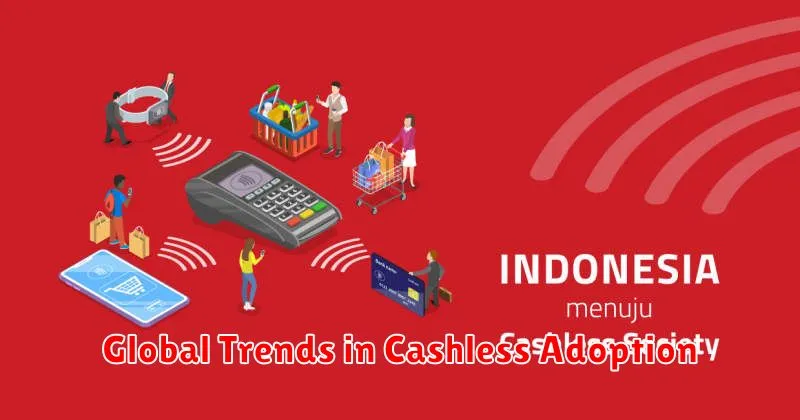
The shift away from physical currency is a global phenomenon. Various factors contribute to this trend, including advancements in technology, increasing smartphone penetration, and changing consumer behavior.
Developed nations like Sweden and China are leading the charge toward cashless societies, with digital payments dominating everyday transactions. In contrast, developing economies are also experiencing rapid growth in cashless adoption, driven by factors like financial inclusion initiatives and the proliferation of mobile money platforms.
While the pace of adoption varies across regions, the overall trend is clear: a steady decline in cash usage and a corresponding rise in digital payment methods.
How Banks Are Responding
Banks are playing a key role in the transition towards a cashless society. They are actively developing and promoting digital banking services like mobile payments, online banking, and contactless cards.
This shift requires significant investment in technology and infrastructure to ensure secure and reliable platforms. Banks are also facing the challenge of adapting to changing customer behavior and the decreasing demand for traditional branch services.
Furthermore, banks must address security concerns surrounding digital transactions and data privacy. They are continually developing and implementing new security measures to protect their customers from fraud and cyber threats.
Impact on Small Businesses
Going cashless presents a mixed bag for small businesses. A key advantage is the reduction in costs associated with handling physical cash, such as bank deposits, security, and potential theft. This can free up resources and streamline operations.
However, the transition can pose challenges. Some customers, particularly the elderly or those without bank accounts, may prefer cash payments. Losing these customers could impact revenue. Additionally, transaction fees associated with card payments can eat into profit margins, particularly for businesses with low average transaction values.
Future of Cash in Finance
The future of cash remains uncertain. While digital transactions are undeniably on the rise, cash continues to hold a place, particularly for specific demographics and situations. The question isn’t necessarily if cash will disappear entirely, but rather what role it will play in an increasingly digital financial ecosystem.
Central bank digital currencies (CBDCs) are emerging as a potential bridge between physical cash and digital finance. These digital forms of government-backed money could offer the security and convenience of digital transactions while maintaining some of the characteristics of physical cash, such as anonymity and offline usability, depending on their design.
Financial inclusion is another key consideration. While digital finance offers many advantages, cash remains crucial for those without access to bank accounts or reliable internet connectivity. The transition to a cashless society must consider how to ensure equitable access to financial services for all.
Making an Informed Choice
Transitioning to a fully cashless society presents both advantages and disadvantages. Careful consideration of these factors is crucial for individuals, businesses, and policymakers alike.
Evaluating your personal needs is the first step. Consider your spending habits, access to technology, and comfort level with digital transactions. Do you frequently make small cash purchases? Are you comfortable managing your finances entirely through apps and online platforms? These are vital questions to address.
For businesses, the decision involves weighing the cost of new infrastructure against the potential benefits of increased efficiency and reduced security risks.
