
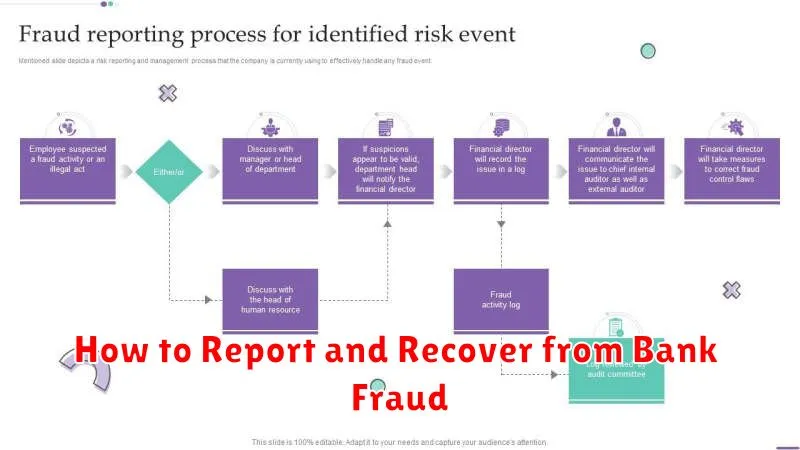
Bank fraud is a serious crime that can have devastating financial and emotional consequences for victims. It encompasses a wide range of criminal activities, including identity theft, account takeover, credit card fraud, and debit card fraud. Understanding how to identify, report, and recover from bank fraud is essential for protecting your financial well-being. This article will provide a comprehensive guide to help you navigate the process of reporting bank fraud and taking the necessary steps to recover your losses and secure your accounts. Whether you suspect unauthorized transactions, phishing attempts, or any other suspicious activity, knowing how to act quickly and effectively is crucial.
Experiencing bank fraud can be incredibly stressful, but taking swift action can significantly mitigate the damage. This guide will outline the essential steps to take immediately after discovering fraudulent activity. From contacting your bank and reporting the fraud to filing a police report and monitoring your credit reports, we will cover the critical actions necessary for a successful recovery. Additionally, we will discuss preventative measures to protect yourself from future instances of bank fraud, empowering you to take control of your financial security and safeguard your hard-earned money. We will also explore the various types of bank fraud, helping you recognize and avoid potential threats.
Recognizing the Signs of Bank Fraud
Recognizing bank fraud quickly is crucial for minimizing losses and recovering your funds. Be vigilant and watch for any suspicious activity.
Common signs of bank fraud include:
- Unauthorized transactions on your account statements.
- Missing money from your account.
- Unexpected account withdrawals or deposits.
- Receiving calls or texts requesting personal banking information.
- Changes to your account information that you didn’t authorize (e.g., address, phone number).
- Receiving unfamiliar bank statements or cards.
If you notice anything unusual, contact your bank immediately.
Immediate Steps After Detection
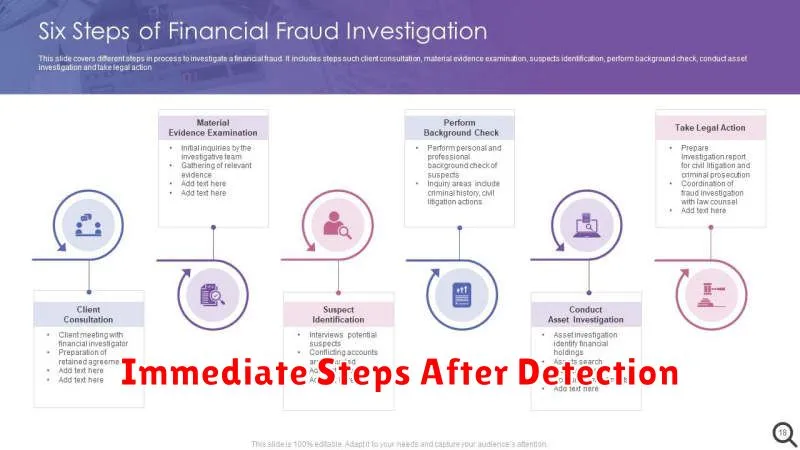
Discovering unauthorized activity on your bank account can be distressing, but swift action is crucial. Immediately contact your bank’s fraud department. Report the fraudulent transactions and request they freeze your account to prevent further losses.
Change all of your online banking passwords. Choose strong, unique passwords for each account. Review your recent transactions thoroughly to identify all unauthorized activity and gather details such as dates, amounts, and vendor information.
File a police report. This creates an official record of the crime and can be helpful during investigations and insurance claims. Keep detailed records of all communication and documentation related to the fraud.
Contacting Your Bank and Authorities
Immediately contact your bank upon discovering any suspicious activity or unauthorized transactions. Provide them with all relevant details, including the date, time, and amount of the fraudulent transactions. Your bank will guide you through their specific fraud reporting process and may temporarily freeze your account to prevent further losses.
After contacting your bank, you should also report the fraud to the appropriate authorities. In the US, you can file a complaint with the Federal Trade Commission (FTC). Reporting to law enforcement agencies like your local police department is also advisable. Keep records of all communication and documentation related to the fraud.
Freezing Accounts and Stopping Transactions
If you suspect fraudulent activity, act swiftly to minimize potential losses. Your first step should be to contact your bank immediately.
Request a freeze on your affected accounts. This prevents further unauthorized transactions. Clearly explain your concerns and provide any details regarding the suspected fraud, such as dates, amounts, and transaction types.
Simultaneously, request to stop any pending transactions you believe are fraudulent. Provide the transaction details to your bank. They can investigate and potentially reverse the charges.
How Banks Investigate Fraud Cases
When you report a fraudulent activity, your bank initiates a thorough investigation. This process involves several key steps to verify the claim and identify the perpetrators.
Initial Report and Documentation: The bank first collects all necessary information about the fraudulent activity. This includes transaction details, dates, amounts, and any supporting evidence you can provide.
Internal Investigation: The bank’s fraud department then reviews the provided information and compares it with their internal records. They look for inconsistencies, patterns, and any suspicious activities related to your account.
Law Enforcement Involvement: In cases of significant fraud, banks collaborate with law enforcement agencies to assist in the investigation and apprehension of the individuals responsible.
Reimbursement Policies Explained
Understanding your bank’s reimbursement policies is crucial after experiencing fraud. These policies dictate how, when, and if you’ll recover your lost funds. Policies vary significantly between institutions, so reviewing your account agreement is essential.
Typically, banks offer full reimbursement for unauthorized transactions if you report them promptly and followed security protocols. However, there might be limitations on liability depending on the type of fraud and how quickly you reported it. For example, delays in reporting could reduce the amount you can recover.
Be aware of the timeframes involved. Banks often have specific deadlines for reporting fraudulent activity. Document everything, including communication with the bank, transaction details, and any supporting evidence you have.
Preventing Future Incidents
Regularly monitor your bank accounts and credit reports. Look for any unauthorized transactions and report them immediately. Strong passwords are crucial. Use a combination of upper and lowercase letters, numbers, and symbols. Avoid using easily guessed passwords like “password123”.
Be cautious of phishing scams. Banks will never ask for your personal information via email or text message. Do not click on links or open attachments from unknown senders. When using ATMs or making online purchases, ensure the website is secure. Look for “https” in the address bar and a padlock icon.
Consider setting up account alerts. These alerts can notify you of suspicious activity, such as large withdrawals or changes to your personal information. Shred sensitive documents containing financial information before discarding them.
What to Expect During Recovery
Recovering from bank fraud can be a multi-step process. After reporting the fraud, your bank will launch an investigation.
They will review the provided evidence and transaction history. This process can take time, so patience is essential.
During the investigation, you might be asked for additional information. Cooperation with your bank is crucial for a successful recovery.
If the bank determines fraud occurred, they will typically reimburse the lost funds. The timeframe for reimbursement varies depending on the bank and complexity of the case.
You may need to update account information or close compromised accounts as a preventative measure.
Support Services for Victims
Experiencing bank fraud can be incredibly distressing. Beyond the financial implications, victims often face emotional stress and feelings of vulnerability. Fortunately, several support services exist to help individuals cope with the aftermath.
Victim advocacy groups can provide valuable resources, including counseling, legal guidance, and assistance navigating the reporting process. They offer a safe space to discuss your experience and connect with others who understand what you’re going through.
Mental health professionals, such as therapists and counselors, can help you process the emotional trauma associated with fraud. They can provide coping mechanisms and strategies for managing stress and anxiety.
Your financial institution may also offer support services or connect you with appropriate resources. Don’t hesitate to reach out to your bank’s customer service department for information.
Staying Vigilant Moving Forward
Recovering from bank fraud can be a challenging process, but taking proactive steps to protect yourself moving forward is crucial. Regularly monitor your accounts, checking for any unauthorized transactions. Set up account alerts to receive notifications of any activity. These alerts can provide immediate notice of suspicious transactions, allowing you to act swiftly.
Review your credit reports periodically to identify any accounts opened fraudulently in your name. Be cautious about sharing personal information, especially online or over the phone. Strong passwords are essential, and enabling two-factor authentication provides an additional layer of security whenever possible.
